
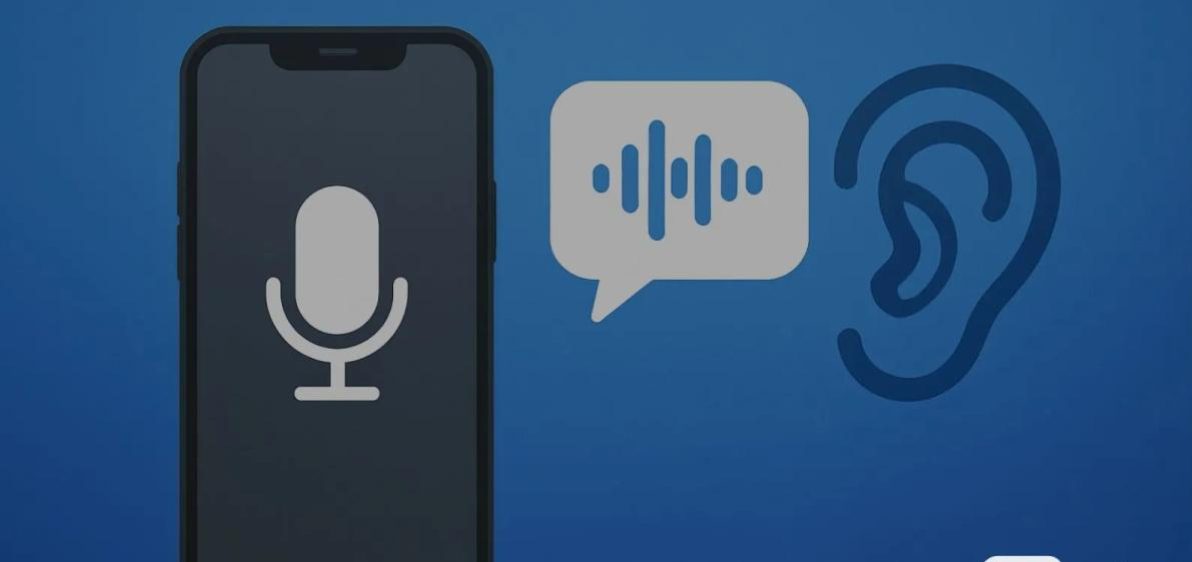
The idea that smartphones are secretly monitoring our talks has become one of the most enduring tech myths of our time. Many people believe their devices are eavesdropping, especially when they notice strangely specific ads popping up right after discussing a topic out loud. But is there any truth to this, or is there a different explanation at work?
This myth often stems from a personal experience—like chatting about a product and soon after seeing a related ad online. It’s a coincidence that feels remarkably uncanny. However, advanced advertising technology can accurately predict user interests based on various factors, even without tapping into the microphone.
How Advertising Tricks Us into Thinking We’re Being Watched
Modern ad platforms gather information from users’ browsing habits, app usage, geographical location, shopping history, and interactions with other devices on the same network. They combine this data using machine learning to anticipate what users might be interested in next.
As a result, users receive ads that seem almost too specific, creating the illusion that their conversations are being overheard. In fact, it’s just clever predictive analytics at work.
Smartphone Operating Systems: What They Allow and What They Don’t
Both iOS and Android come with stringent permission protocols that prevent apps from accessing the microphone without the user’s explicit consent. Additionally, these systems clearly show when the microphone is in use, and any suspicious background activity can lead to an app being removed from the store.
These restrictions make it highly unlikely and impractical for phones to continuously monitor audio without user knowledge.
Voice Assistants and Their Privacy Measures
Voice-activated features like “Hey Siri,” “Hey Google,” and “Alexa” use on-device technology to listen for specific wake phrases. Until that phrase is detected, no audio is recorded, sent, or stored.
This method of hotword detection has been independently reviewed multiple times and is specifically designed to ensure user privacy.
How Rare Violations Fuel Public Anxiety
Instances of apps misusing microphone permissions have understandably led to a sense of public distrust. While these cases are genuine, they are exceptions and not the rule. In response, app stores, regulators, and device manufacturers have strengthened their policies and security measures to close such gaps.
Why the Myth Persists in Light of the Facts
The myth endures because it provides an easy answer to a complicated issue. Predictive advertising can feel invasive, concerns about privacy are escalating, and the digital landscape often lacks clarity. When people can’t see how their data is being handled, they tend to make assumptions.
Steps Users Can Take to Protect Their Privacy
While smartphones aren’t secretly recording every word, users can still take measures to safeguard their online presence. Adjusting app permissions, limiting ad-tracking capabilities, clearing activity logs, and steering clear of unnecessary third-party applications can help decrease the accuracy of targeted ads.
Smartphones may not be eavesdropping on our conversations, but they are part of a complex digital environment capable of predicting behavior with remarkable accuracy. Becoming familiar with how this ecosystem operates allows users to make better-informed decisions about their privacy, rather than clinging to myths.